Know what to automate, what to defer, and what to leave alone.
In two to three weeks we measure where your team's time goes and hand you a ranked map. The audit delivers a map, not software. Implementation is a separate engagement.
Led by Marian Esco: about five years leading 400+ people with full business responsibility; designed and directed AI systems in production at Civic, a San Francisco company.
Marian leads every audit himself.
- Remote first, by video
- 2 to 3 weeks, fixed price
- Measured in your own work
- Led by Marian Esco
What you keep after the audit
A written report you can decide from, not a slide deck.
The ranked map
The three processes worth automating first, each with measured hours and a cost band.
includedThe process inventory
Every process on the list, measured, so you see where the time goes.
includedWhat not to automate
The processes to defer or leave alone, and why.
includedThe decision
A 60 minute readout where you decide: automate, wait, or stop.
included
| Process | Hours a week | Verdict |
|---|---|---|
| Quoting | X hours | automate |
| Invoices | X hours | automate |
| Monthly reports | X hours | defer |
| Customer replies | X hours | automate |
| Internal approvals | X hours | leave alone |
| Meeting summaries | X hours | automate |
| Contracts | X hours | leave alone |
An example with placeholder values. We measure the real hours in your own work, process by process.
What you get, in practice
exampleExamples of what we switch on after the map. Each one is a separate piece of work.
- Quotes start from smart templates, not from zero.
- Customer replies come from a library that gets better with every approved answer.
- Invoice data lands in a draft. A person confirms the figures and every message that goes to clients.
- Everything is monitored, logged and reported.
- Reports (Monday morning, Friday evening) build themselves from the data the system collects.
- Calls are picked up automatically when nobody can or wants to answer (AI Secretara).
- Staff get a certificate of participation. New hires learn straight from the guides the system collects.
- Company documents are found by asking a question, not by digging through folders.
- After every meeting, notes and tasks arrive written up, for each person.
What this audit is not
- Not training.
- Not a software sale.
- Not a slide deck.
- No implementation without a map.
What your company looks like when you stop carrying everything
This is our target for every company. We measure it on day 14.
- Simpler flows
- Automations that actually work
- A team that works calmly with AI
- Your company, seen clearly: processes, people, customers
Now
- You open the laptop at 7 and you are still answering email at 10 at night.
- The same quote gets written from scratch, again and again.
- Three people call you with the same question.
- You know time is being lost. You do not know where.
- The phone rings while you are in a meeting, and the client calls someone else.
After
- In the morning you have your coffee and look at the map: you see where the company's day goes.
- Quotes start from smart templates. Your person only adjusts them.
- Answers come from a library that gets better with every approved answer.
- Your people know what they may put into AI and what not.
- You deal with customers and growth, not copy and paste.
Now: 15 h on email, quotes, calls, reports and invoices. After: 5 h on clients and decisions. The rest runs on its own.
You put in money, time and patience. You get back a company that runs without you pushing it.
I want this for my companyFrom the first call to a ranked map
Five steps, remote first, sized by functions and never by headcount.
- STEP 1
The call
15 minutesA short call to count your functions: the distinct kinds of work that each need their own conversation.
- wherevideo call
- how long15 minutes
- you geta clear answer on fit
Details
- What happens
We ask how many distinct kinds of work happen in your company, who sponsors the audit and who signs. That count, not your headcount, sets the length and the fixed price, agreed before we start.
- Where
- By video, in your time zone by arrangement.
- What you get
- A clear yes or no on fit, and a scope we agree in writing.
- STEP 2
Interviews
about a weekOne 45 minute conversation by video with the person who does the work in each function, plus the sponsor.
- whereby video
- how longabout a week
- you geta process inventory
Details
- What happens
Four to five interviews for four functions or fewer, six to eight for five to seven. Getting busy people to free 45 minutes is what takes the calendar time, not the talking.
- Where
- By video. On site by arrangement; travel is agreed case by case.
- What you get
- A process inventory: one row per process, described by the person who does the work.
- STEP 3
Baselines
same weeksWe measure the last real task in the room and say the number back before the conversation ends.
- wherein the interview
- how longsame weeks
- you getmeasured hours
Details
- What happens
Hours per week = instances per week × minutes per instance × people involved ÷ 60. For errors, the cost of one error is your number, not ours.
If we did not capture a number in the room, it does not go in the report as a number.
- Where
- During the interviews.
- What you get
- Measured baselines for every process on the list.
- STEP 4
The ranked map
end of the auditEvery process scored, the top three picked, and a map of what to automate, what to defer and what to leave alone.
- wheredesk work, then a readout
- how longend of the audit
- you geta report to decide from
Details
- What happens
We score each process, size the top three in cost bands, and check governance: who may see the data, who signs off, and what must be logged for you to trust a system doing the work. Each process lands in a green, amber or red band. Red is deferred, and the report says so.
A 60 minute readout with the sponsor closes it. You decide: automate, wait, or stop.
- Where
- Desk work by us, then a readout by video.
- What you get
- The report, with a section on what NOT to automate and why.
- STEP 5
Implementation, quoted separately
only after the mapA separate engagement, quoted once the map exists. Never bundled with the audit.
- wherea separate quote
- how longonly after the map
- you geta quote, if you want one
Details
- What happens
The audit stays an audit: it delivers a map, not software. If you want a process implemented, we quote it after the map, as its own engagement. On implementation we bring trusted people and work with your team.
- Where
- After the readout.
- What you get
- A separate quote, or nothing, as you choose.
Eight functions are never squeezed into two weeks: that is how a fixed price turns into unpaid overtime. We either take three weeks or narrow the scope.
How long would the audit take at your company?
We size by functions, never by headcount. A function is a distinct kind of work that needs its own conversation.
- 4 functions or fewer4 to 5 interviews, 2 weeks.
- 5 to 7 functions6 to 8 interviews, 2 weeks, 3 if you are regulated.
- 8 or more3 weeks, or a narrower scope.
Pick a range to see the length. The fixed price is agreed before we start and said on the call, not on this page. Implementation is quoted separately, after the map.
Request a 15 minute callWhich part of a person's day repeats?
Sisyphus pushed the same boulder every day. Pick what one person pushes at your company, set the hours a day, and hand the boulder to the AI.
pushed0times
hours a week back.
Take the figure to the calculatorHours a week = hours a day × 5. The figure is for one person and comes only from what you choose.
Sisyphus didn't have an AI agent.
Five functions, five hills. Click one to take the boulder off it.
AI takes: a first draft of the quote and the follow-up messages.
AI takes: summaries, checklists and routine reports.
AI takes: data extraction from invoices and drafts for reconciliations.
AI takes: draft answers to the questions that repeat.
AI takes: summaries of long documents and first versions of technical text.
No figures here: we find the figures in the audit, on your real work.
How much time and money does manual work cost your company?
Move the figures. The calculation runs on your screen and nothing is sent.
75 is an example value. Replace it with the real cost of an hour at your company.
The values are examples. Put in your own.
Calculation: people × hours × 4.33 weeks × cost per hour. Every figure comes from your own values.
Request a 15 minute callWhere your people's time goes every day
In most companies, time usually goes into six kinds of repeated work. Click a dot to see what an audit looks at.
- example
- Now
- Every quote starts from a blank page or an old PDF.
- After the audit
- The quote starts from a checked template, and a person adjusts it.
- example
- Now
- The same message to customers, written by several people in different ways.
- After the audit
- Validated prompts give a first draft, and a person checks and sends it.
- example
- Now
- Data moved by hand from email into spreadsheets and systems, with room for mistakes.
- After the audit
- Orderly extraction, with clear rules on which data may not enter a public AI.
- example
- Now
- Fields reread and retyped from invoices and papers.
- After the audit
- The data is extracted into a draft, and a person confirms it.
- example
- Now
- Routine reports gathered by hand from several places.
- After the audit
- A fixed structure, a first version written by AI and checked by a person.
- example
- Now
- Notes typed up by hand after each meeting, and follow-ups that slip.
- After the audit
- A first draft of the notes and the follow-up list, checked by someone who was in the room.
Lost time never shows in the budget, but it shows in every person's day.
Pick a function and see what changes
We do not run generic training. Each person gets prompts adapted to their own concrete work.
Sales
The quote is written from zero and follow-ups get postponed.
The quote starts from a checked template and follow-ups get a first draft.
- Customer requirements, ordered into a template
- A first draft of the quote, adjusted by a person
- Internal price lists never enter a public AI
Operations
Reports and checklists are filled in by hand.
A fixed structure, with a first version from AI that a person checks.
- Summaries of orders and meetings
- Checklists written from your own procedures
- The execution decision stays with a person
Finance
Data is retyped from invoices and documents.
The data is extracted into a draft, and a person confirms it.
- Data extraction from invoices and documents
- Drafts for notes and reconciliations
- A person always approves the payment
Customer service
The same questions come in, and every person answers differently.
A library of validated answers, in one tone for everyone.
- Drafts for the questions that repeat
- Validated answers, in one tone
- Sensitive cases stay with people
Specialists
Documentation and searching through material eat the specialist's time.
Summaries and first versions of technical text, checked by the specialist.
- Summaries of long documents
- A first version of documentation
- Verification stays with the specialist
AI use is growing fast. Rules and measurement are not.
Using AI and using it with rules are different things. We measure the second.
of EU enterprises with 10 or more employees used AI technologies in 2025, up from 13.5% in 2024.
Source: Eurostat news, 11 December 2025.
Who we are
AI-SPECIAL-OPS is the project through which we run AI Opportunity Audits. Marian Esco leads it.
We work remote first, in English and Romanian, on CET. For companies in the US and the EU. Calls in your time zone by arrangement.
Our principle: every action of an AI agent has a purpose and leaves a verifiable trace.
The problem is not the technology. Nobody measures the time lost on repeated work.

- Led 400+ people for about five years as general director, with the full budget on him. He knows what an office day looks like.
- Business development and partnerships in Web3 and AI since 2017: Global BD Lead at Civic, community leadership across Solana and other ecosystems, hackathons and events.
- Designed and directed multi-agent AI systems in daily production at Civic, a San Francisco company. Every agent action checked and logged.
- 15 years around software delivery teams in aerospace, healthcare and finance. From startups to large companies.
- Works on site, with your people, boots on the ground. Not from slides.
- Today: CCOO at Froggit.ai, company memory for people and agents.
“He helped us go from a general concept of using multi-agent systems within our go to market team, to using them in daily operations. I highly recommend Esco both as a valued and positive team member and a technical architect of agentic systems.”
For the technical: 4 master agents · 100+ sub-agents coordinated in one session · 10+ enterprise integrations · multi-model routing that cut cost.
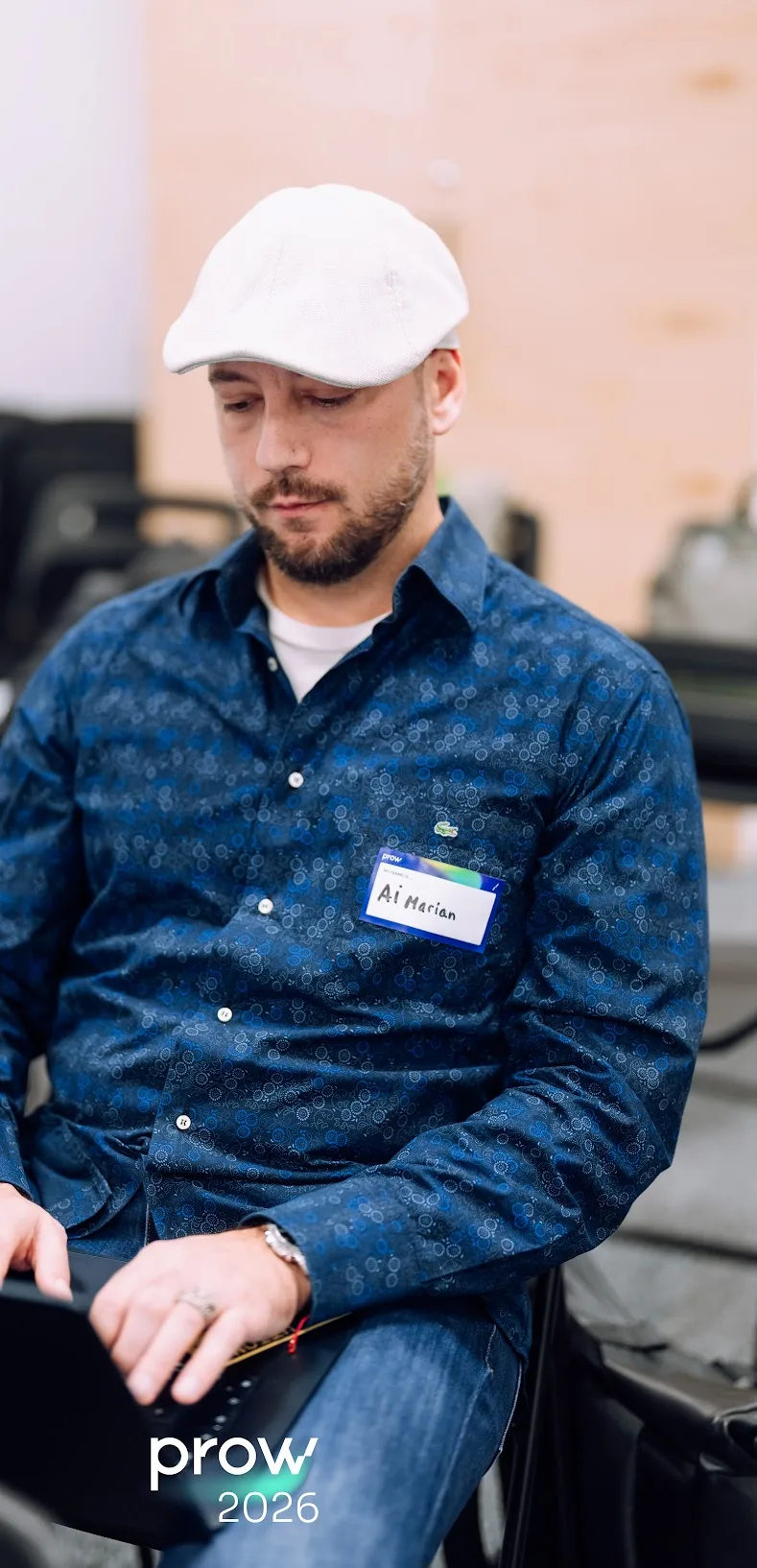
On the ground and in the system
Events, communities and the systems we work with. Tap a photo to see it large.
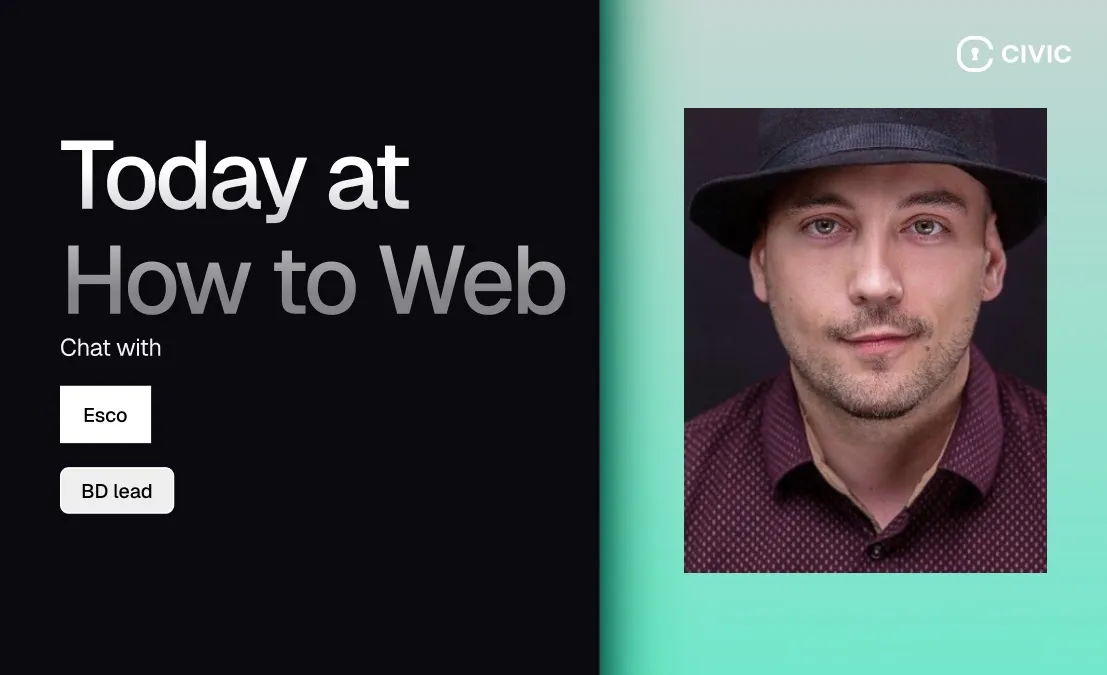
 How to Web, Bucharest: business development for Civic
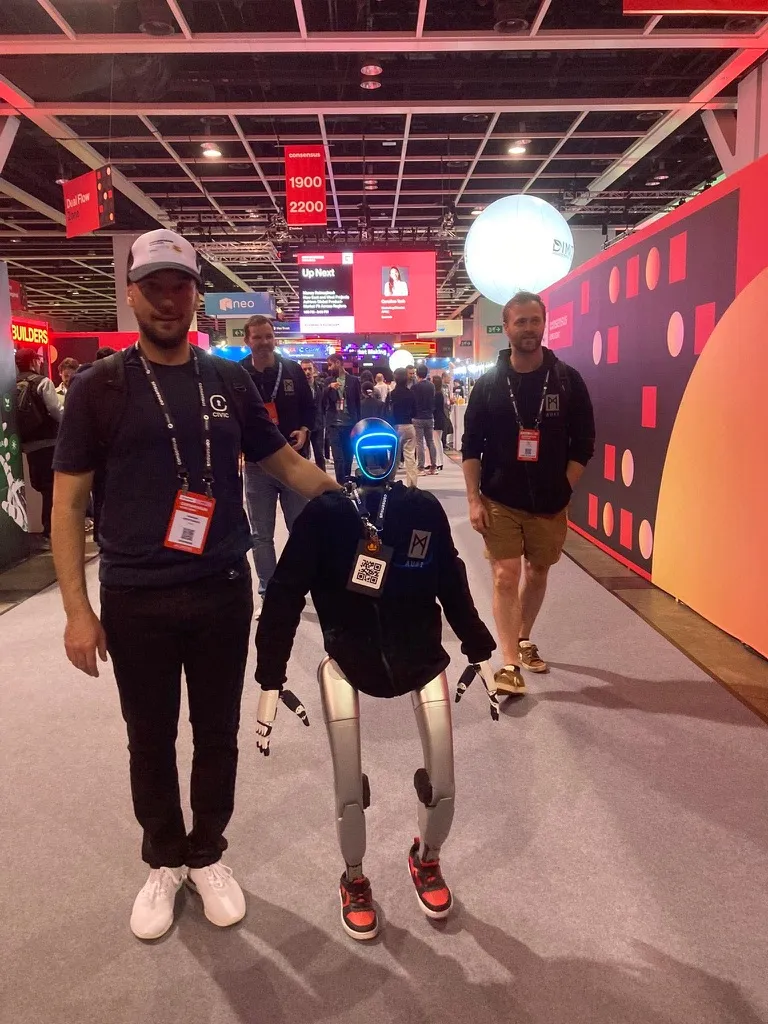
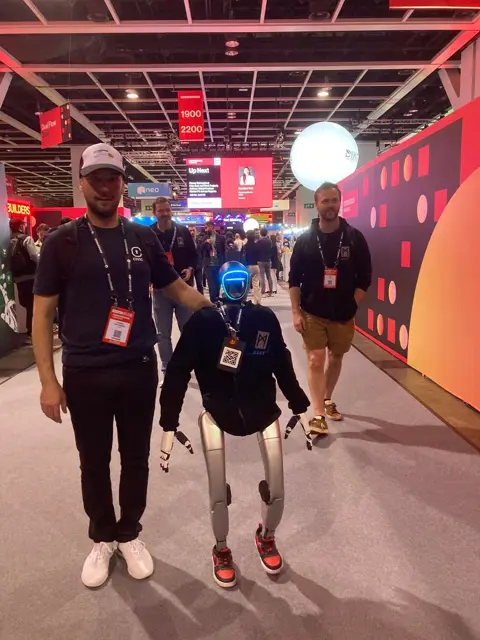 Consensus, Hong Kong
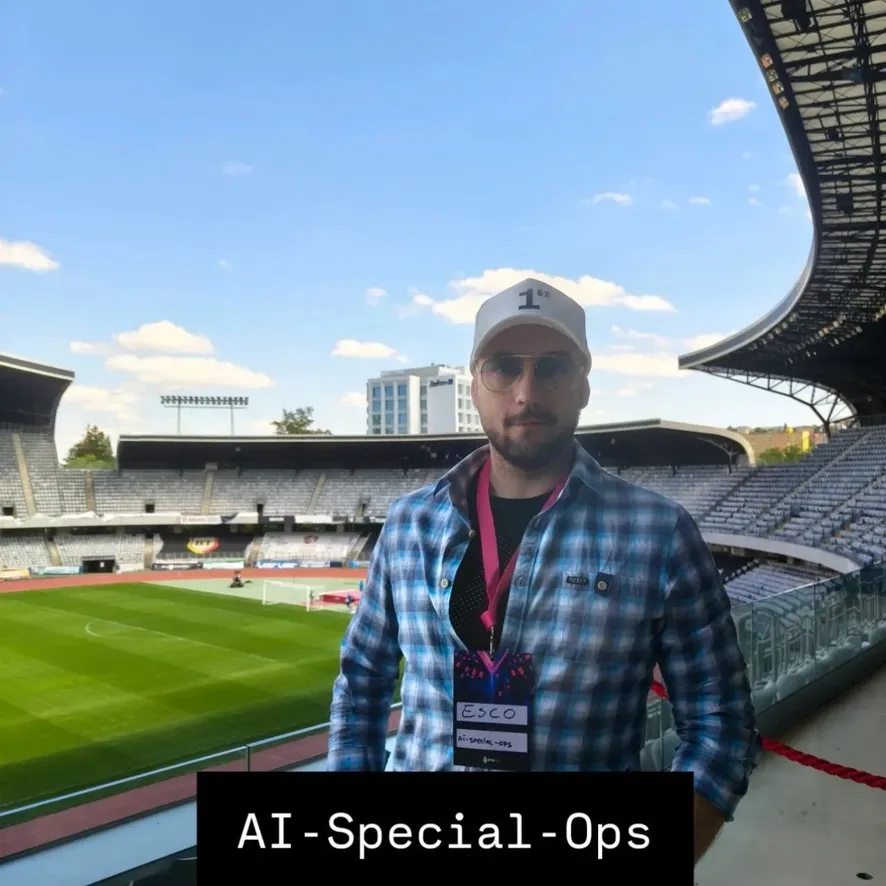
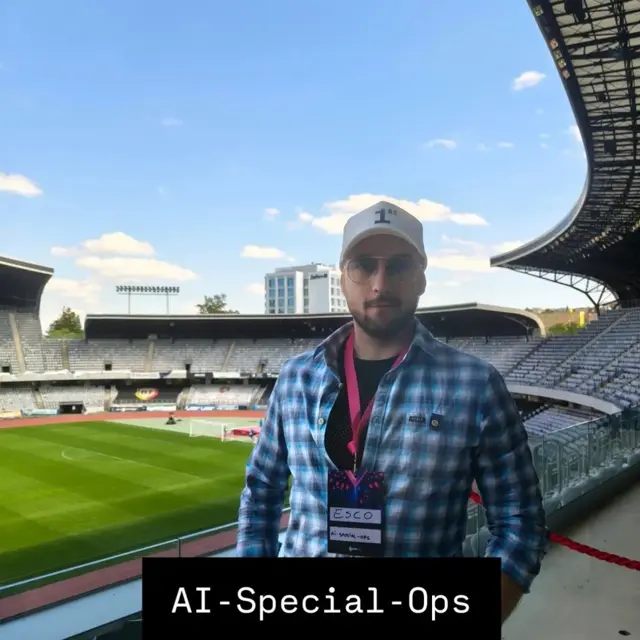 Cluj Arena, at an event as AI-SPECIAL-OPS
 The human in the loop: AI proposes, a person approves
 ETHRome 2025: the hackathon stage
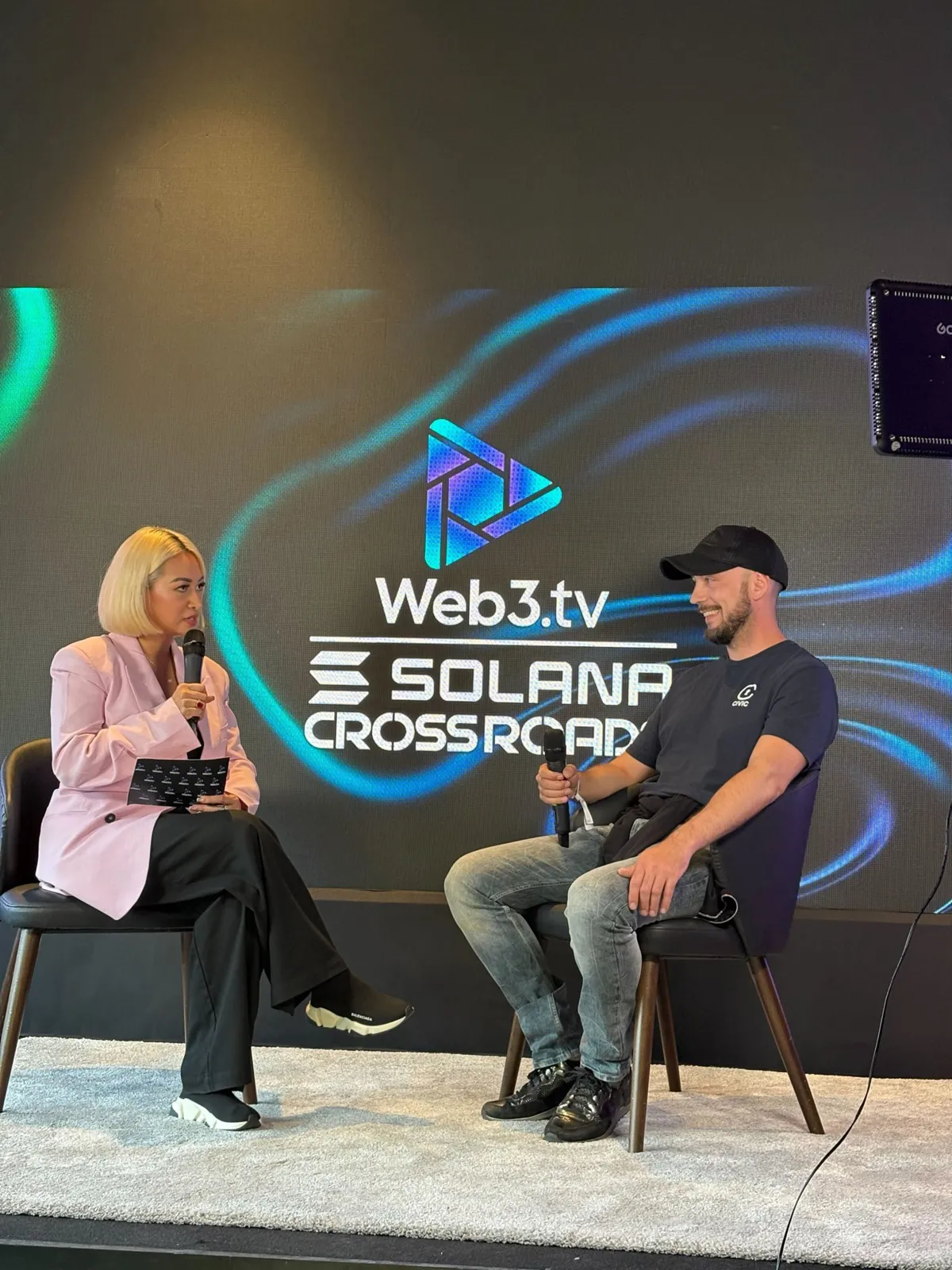
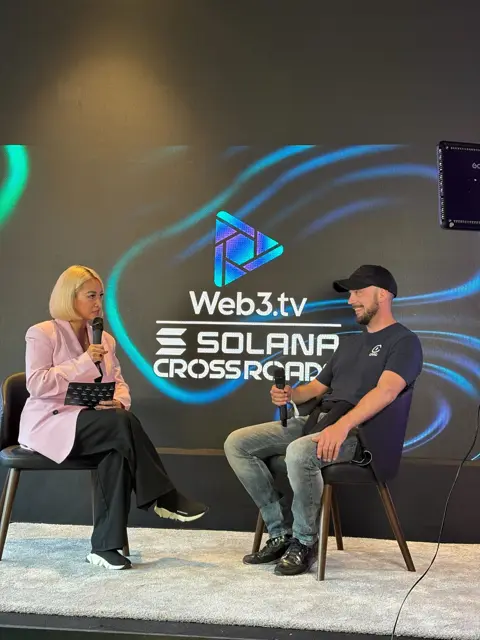 Web3.tv interview at Solana Crossroads, Istanbul
 With Vitalik Buterin at an Ethereum event
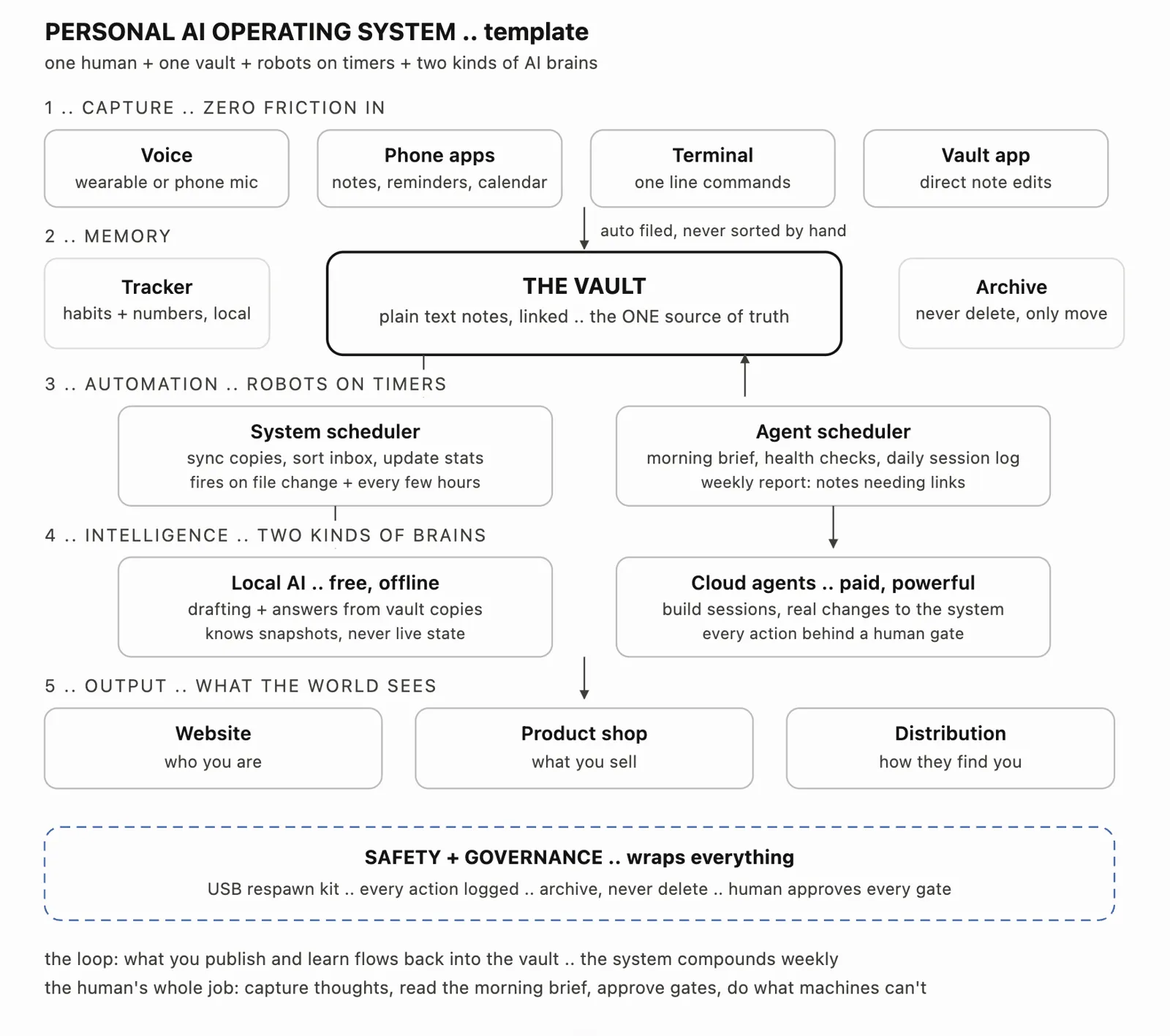
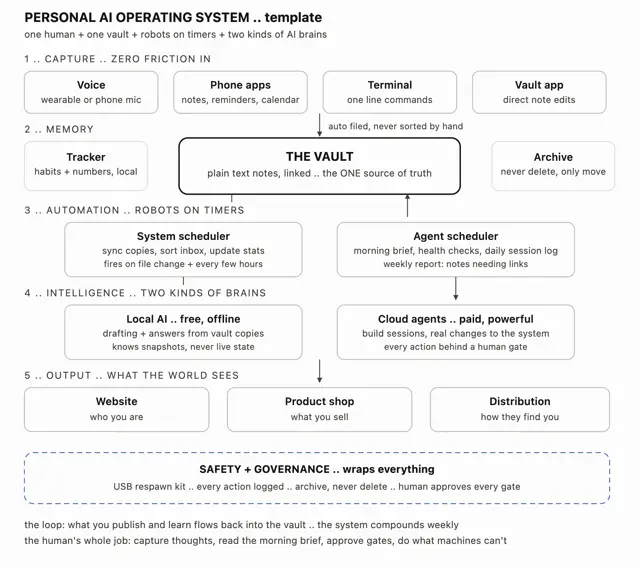 The personal AI operating system: capture, memory, automation, governance
 Solana Superquiz, Iași: Civic, Superteam and Solflare
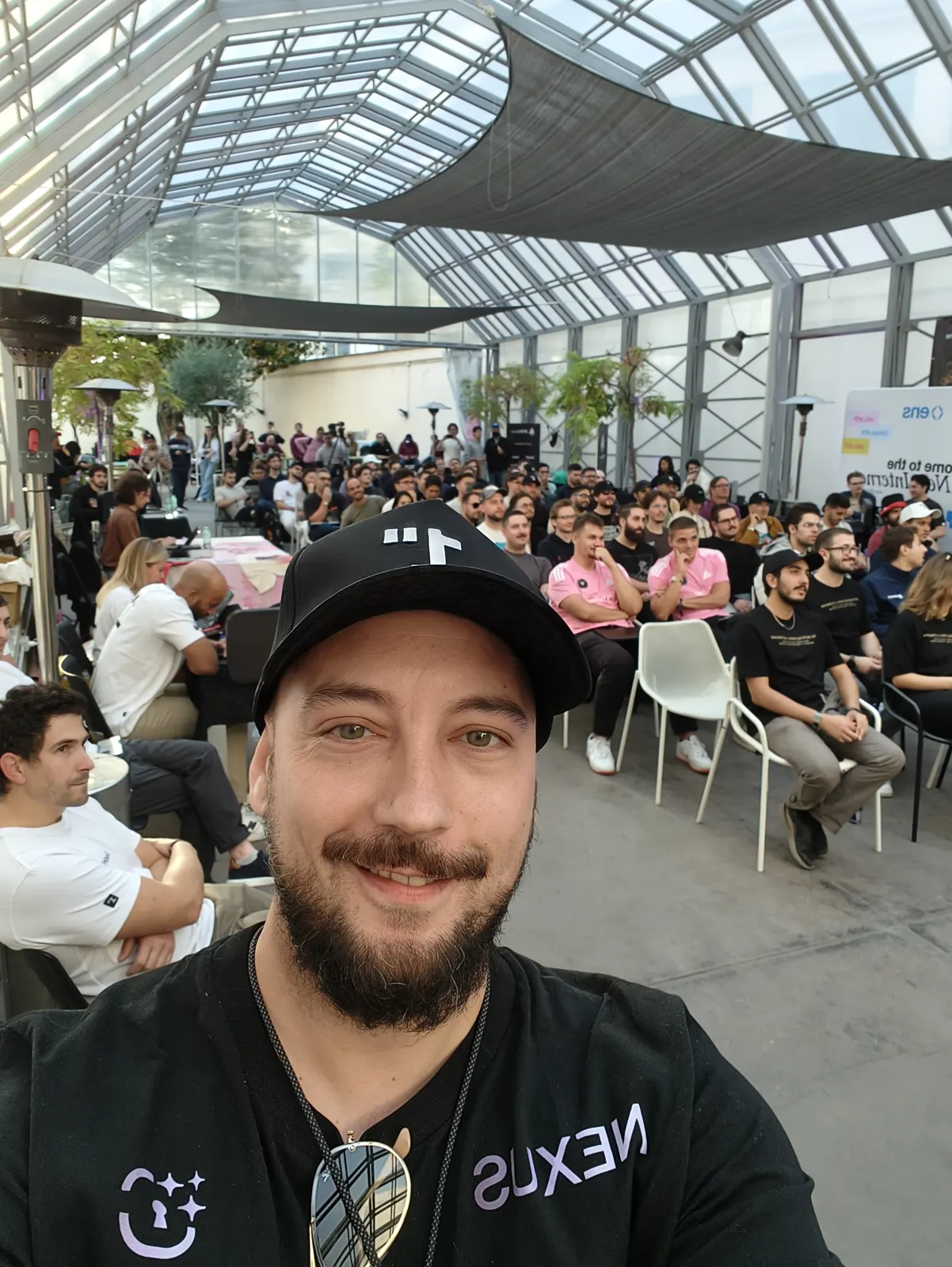
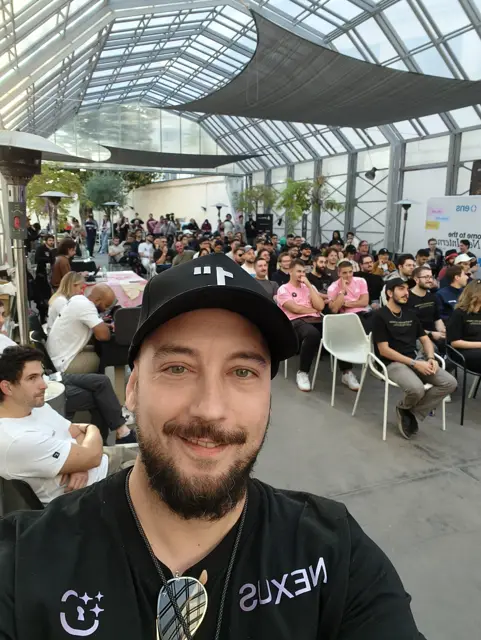 ETHRome 2025, in the room with the builders
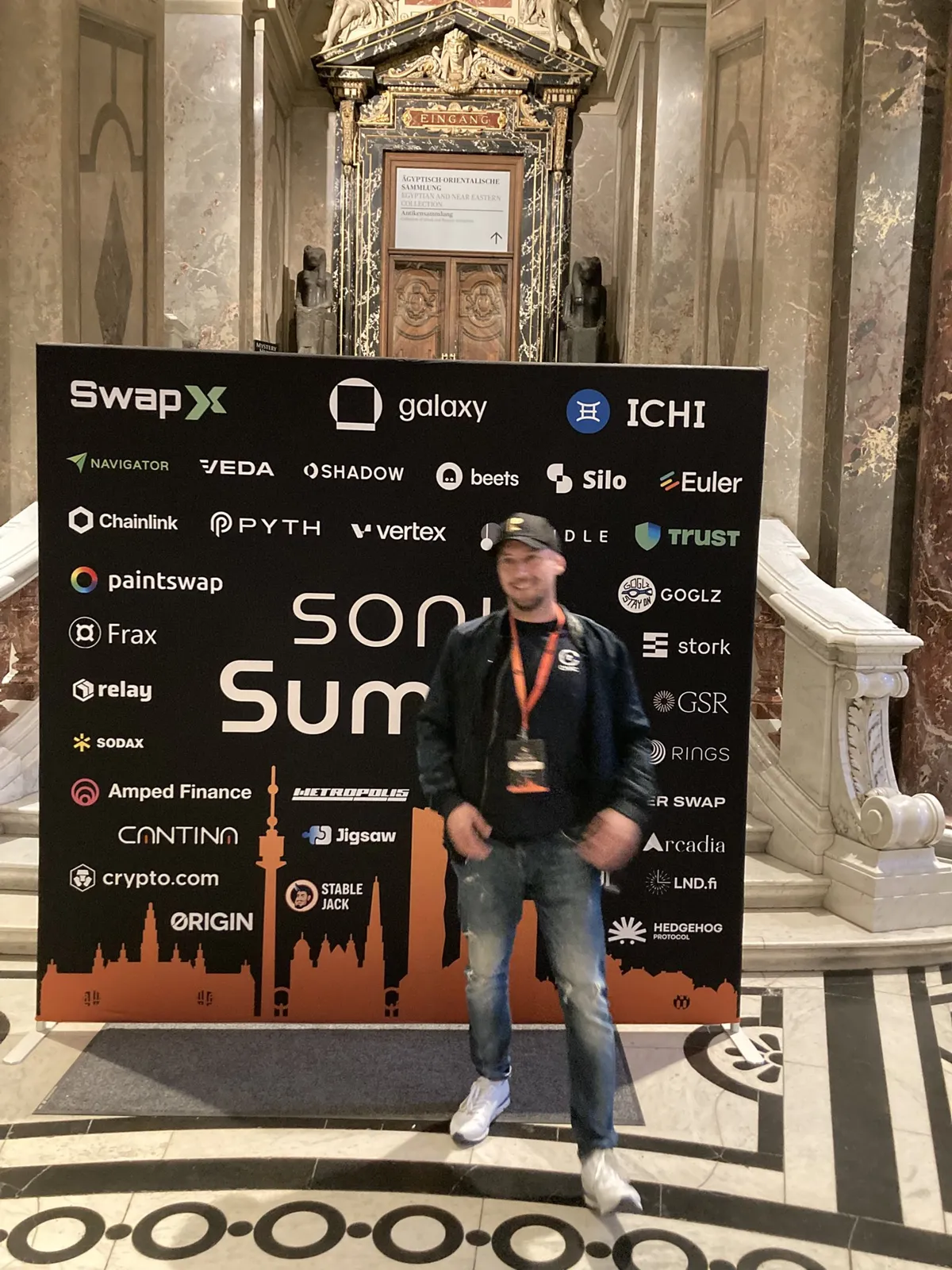
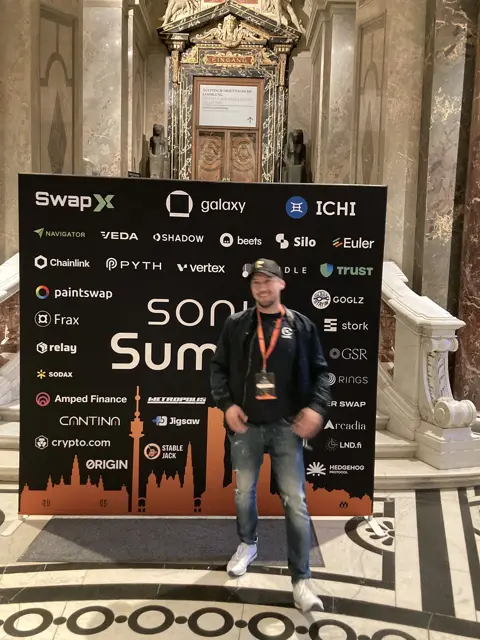 Sonic Summit
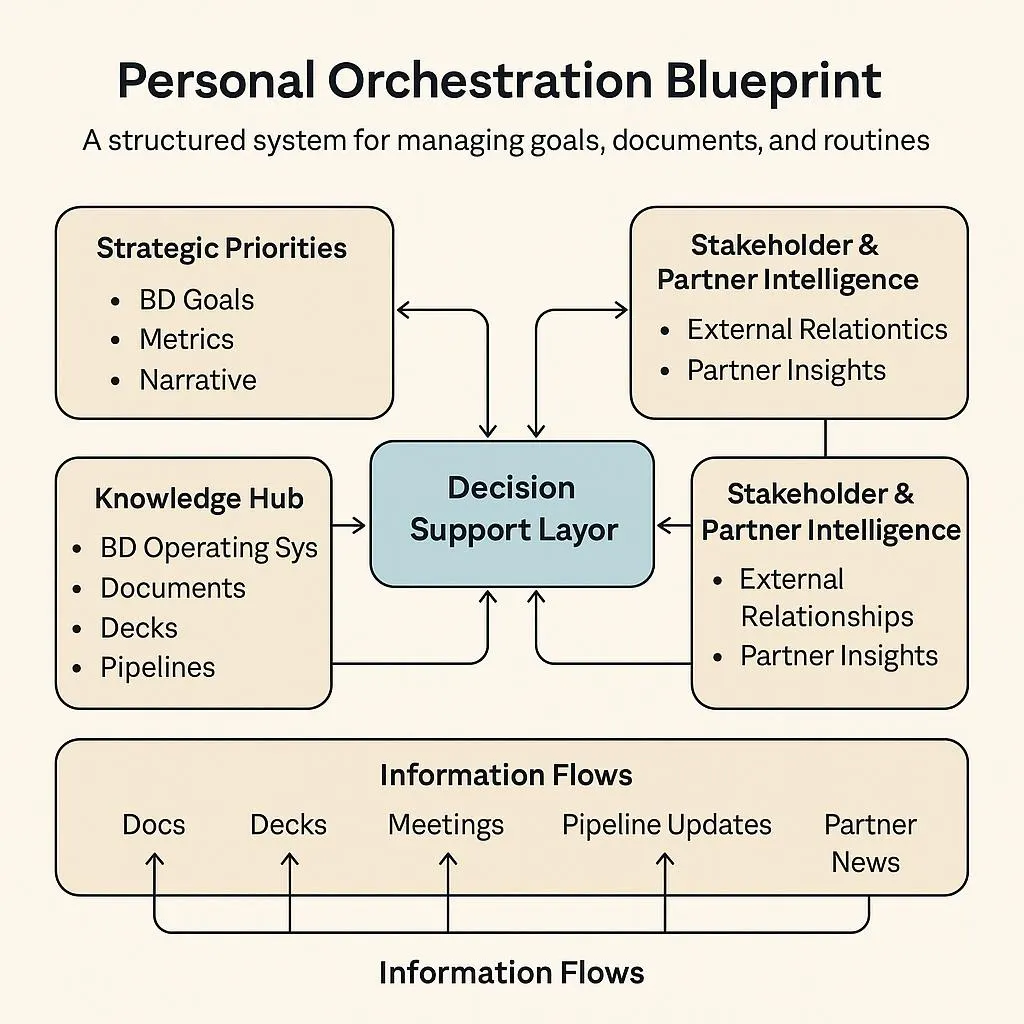
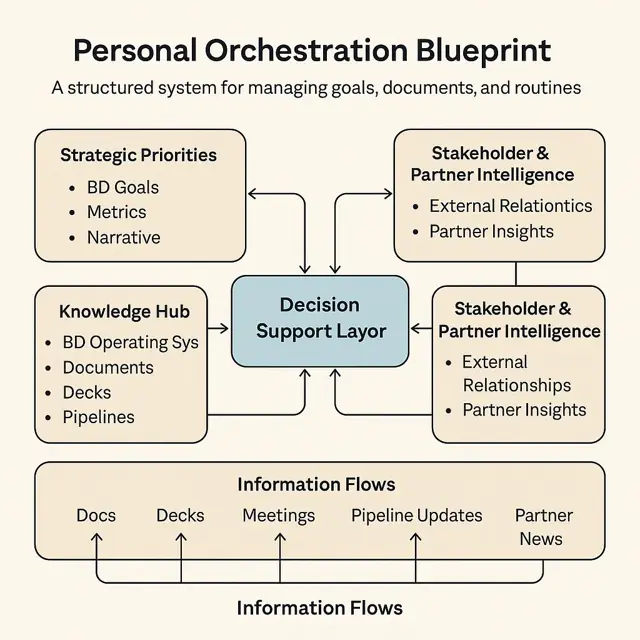 The orchestration map: goals, documents, decisions
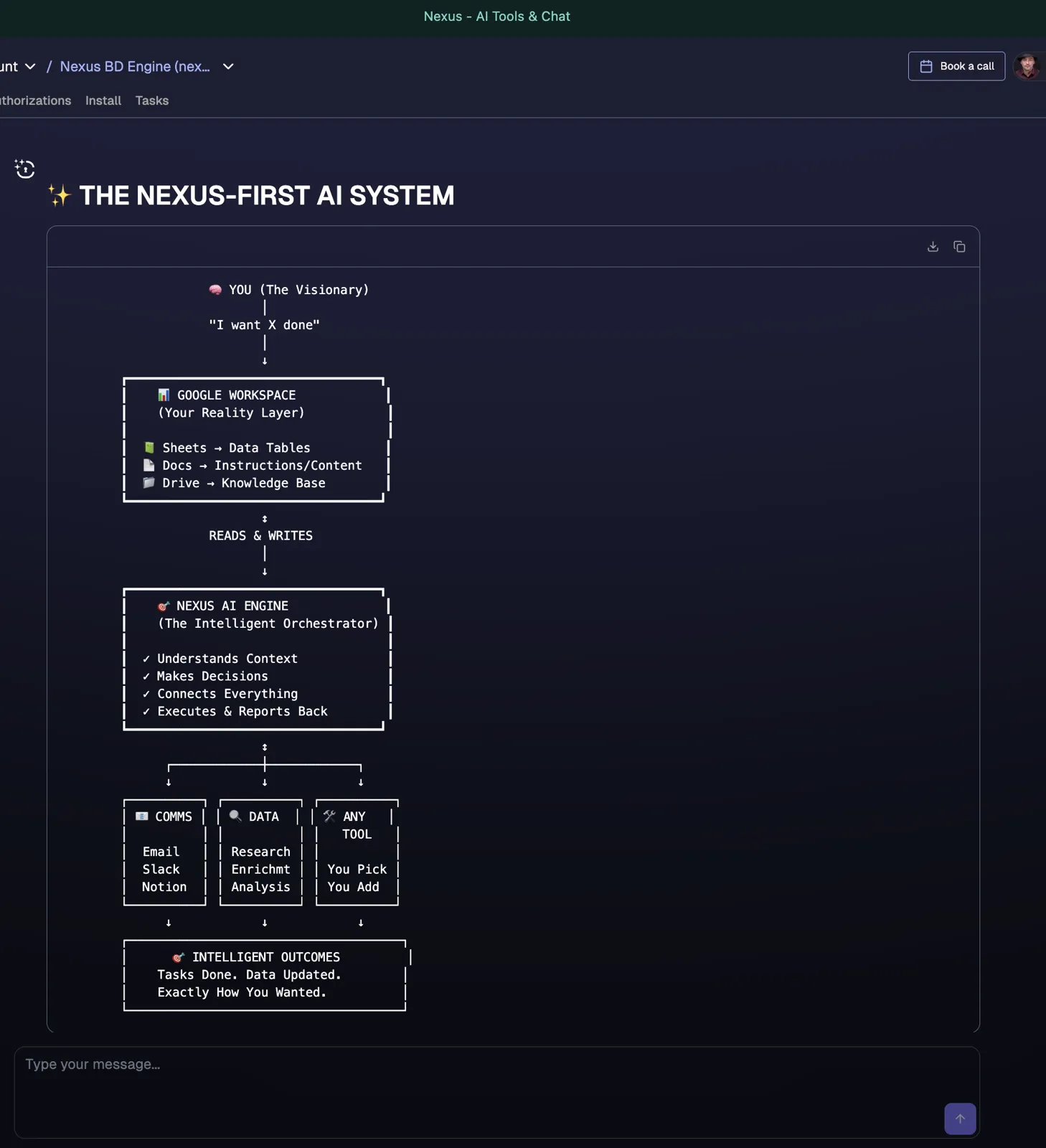
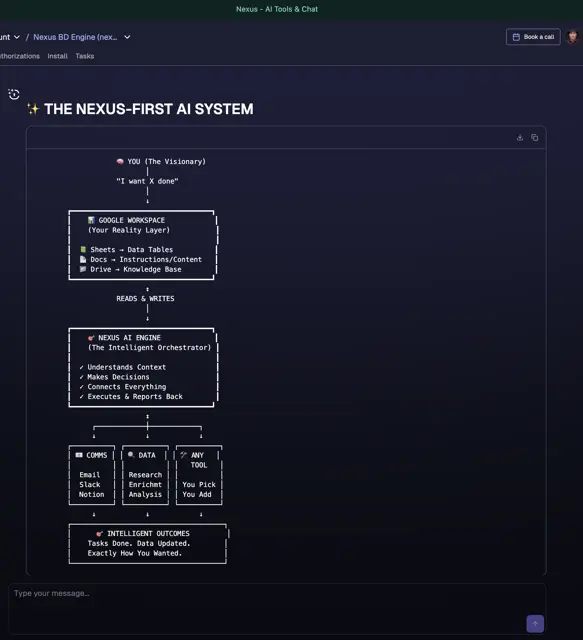 The AI sales system designed at Civic: one orchestrator, tools, outcomes
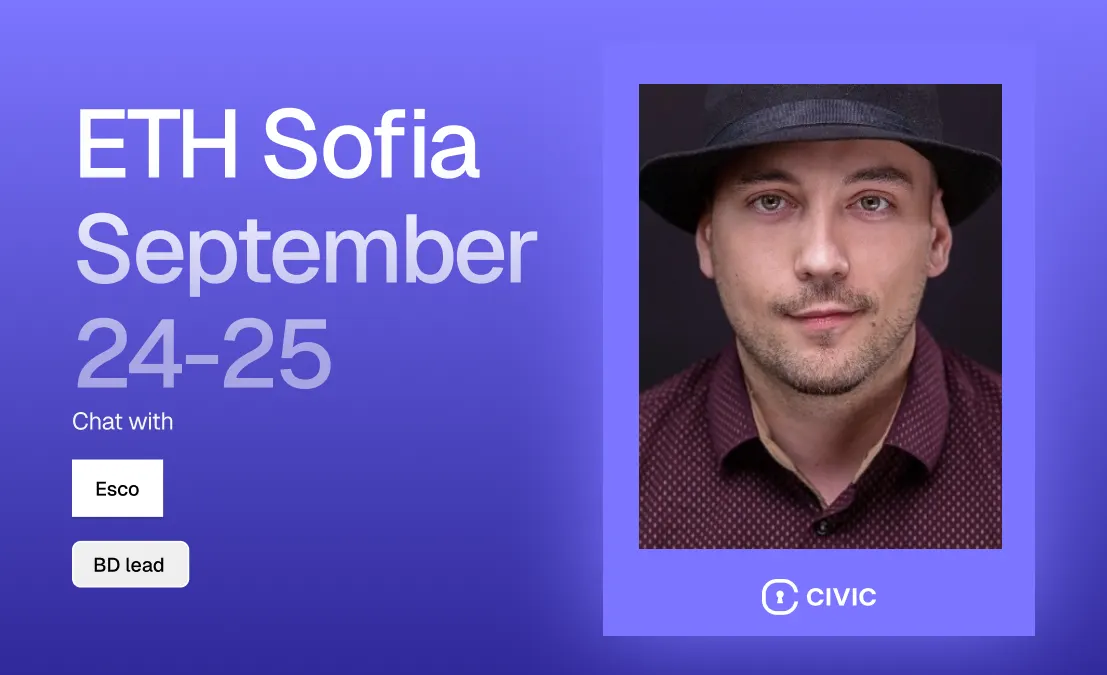
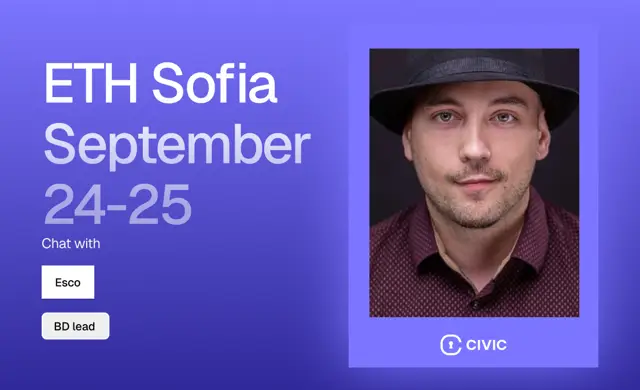 ETH Sofia: business development meetings
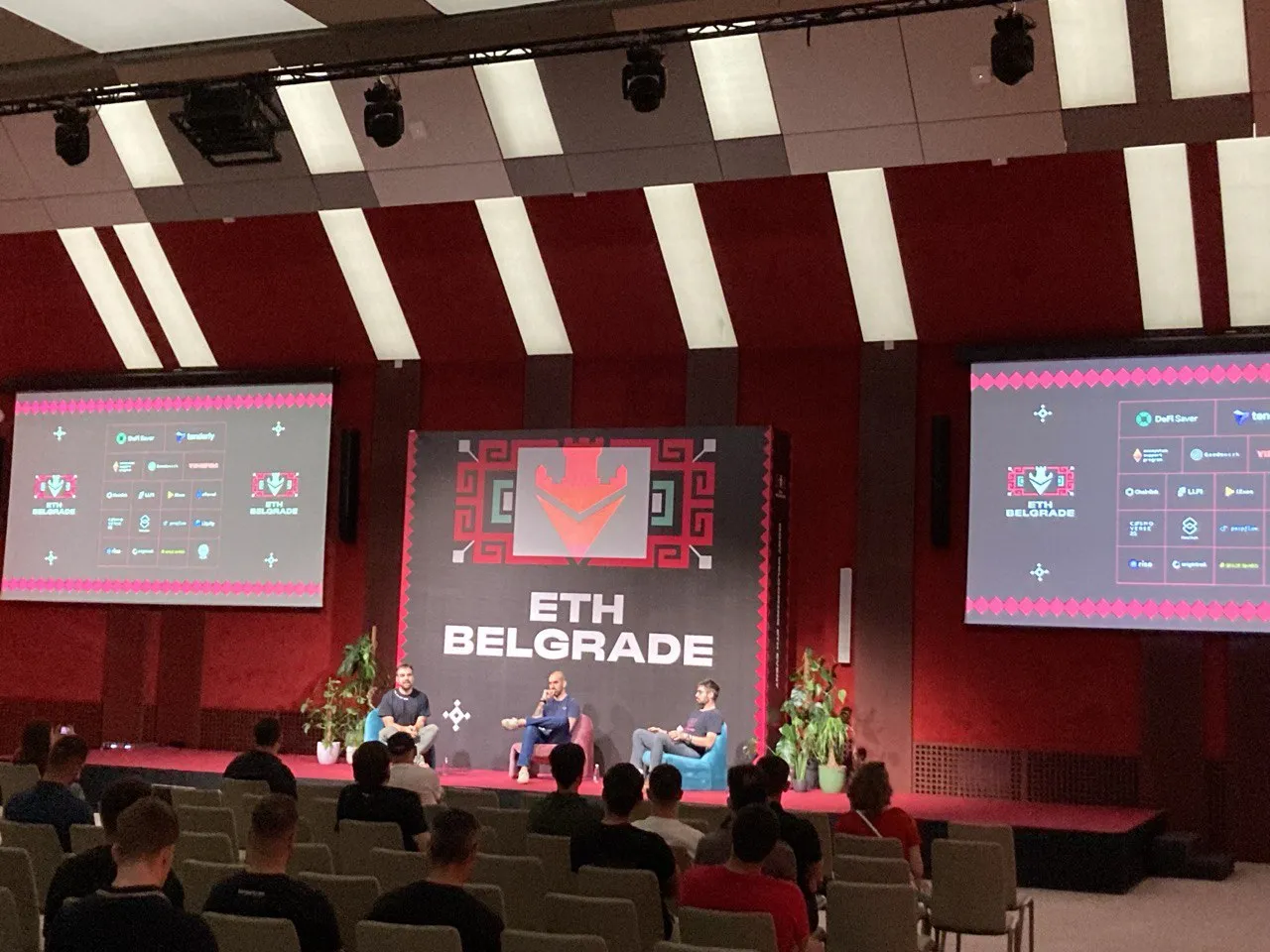
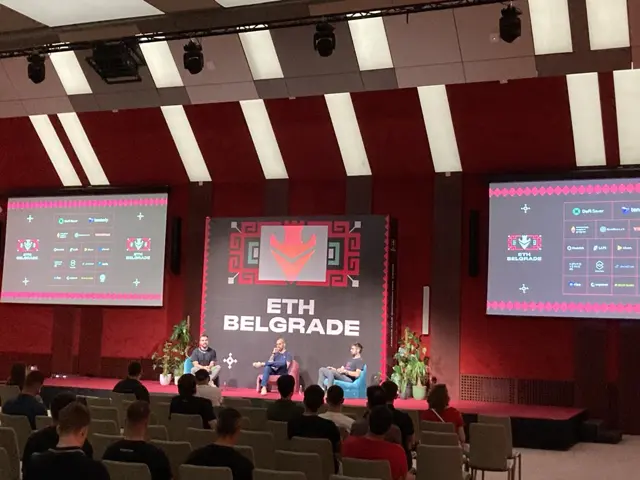 ETH Belgrade
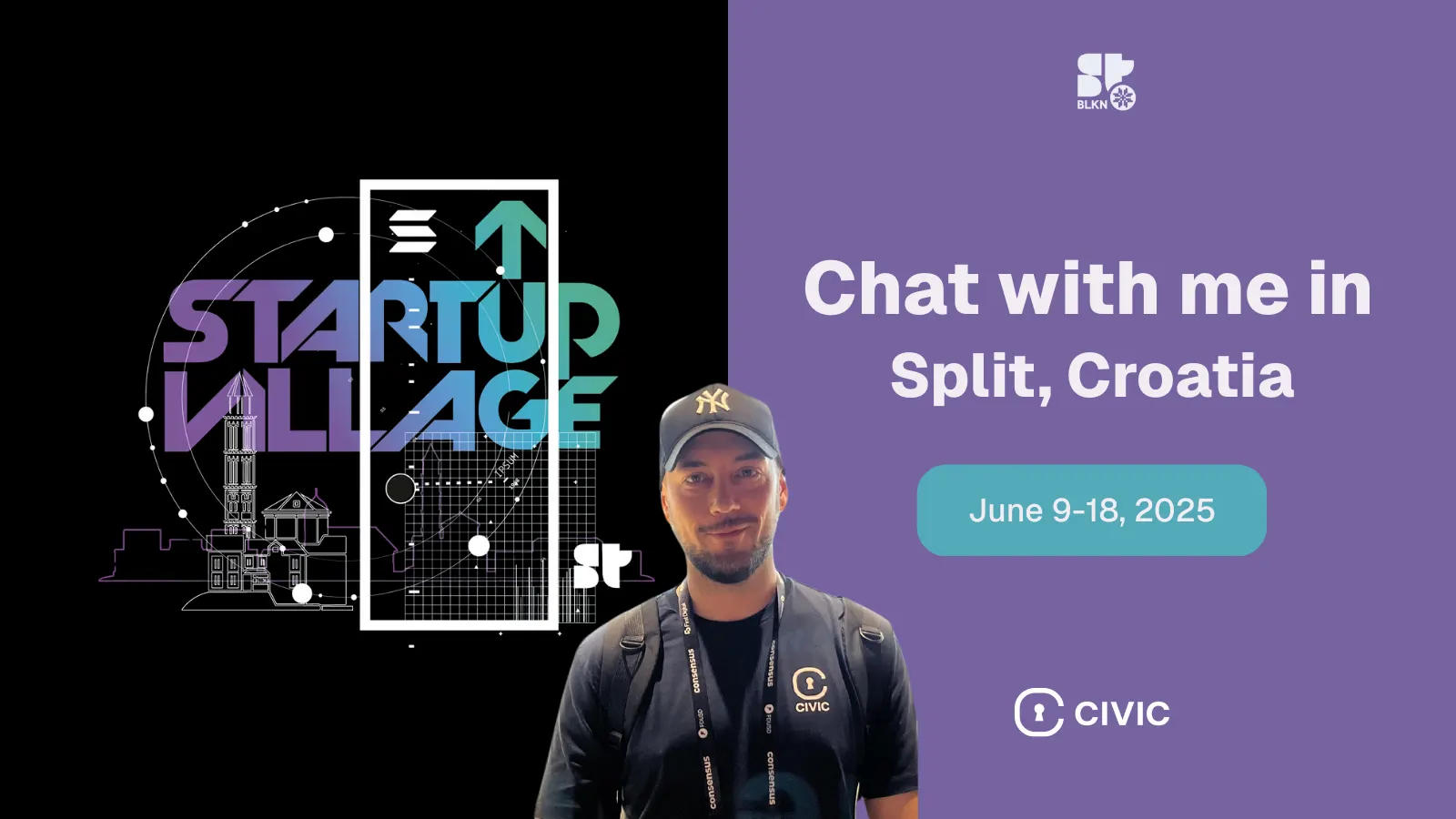
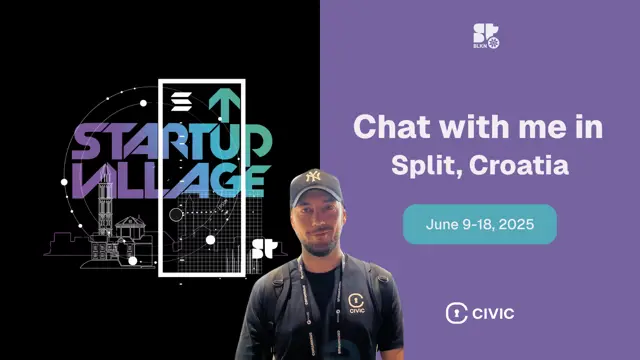 Startup Village, Split
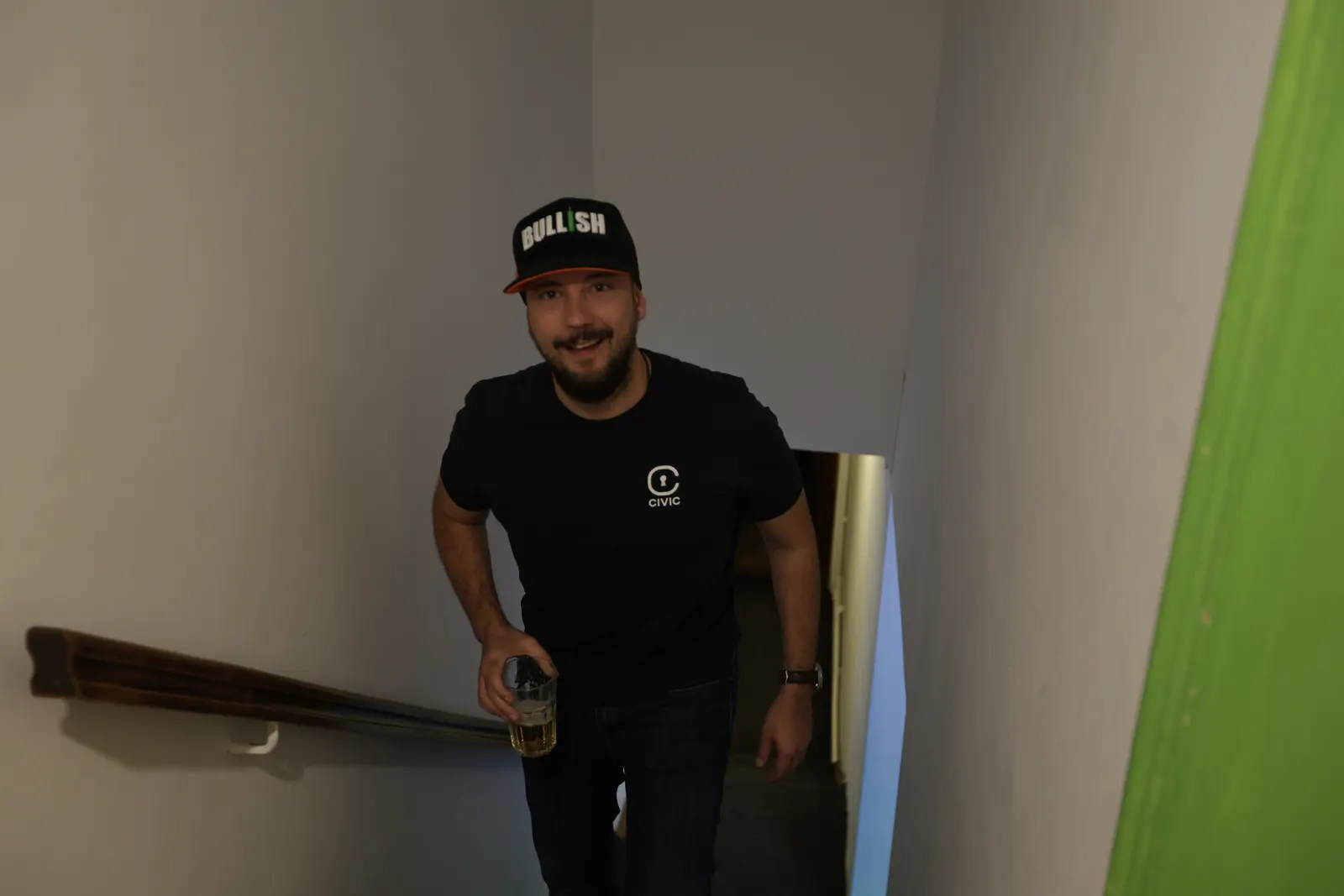
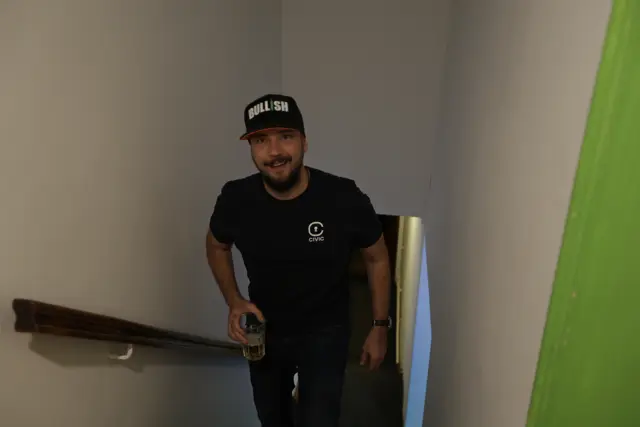 At a team workshop
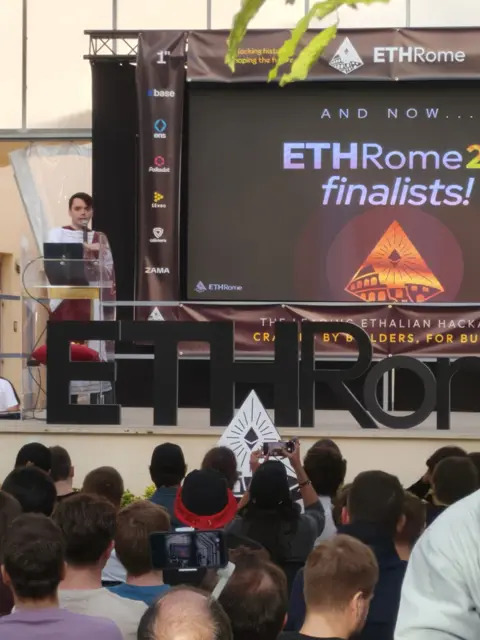 ETHRome 2025: the finals




Short videos
Each one starts only when you tap it.
- AI is everywhere19 s
- How I'd get to AI if I lost everything tomorrow41 s
- How we prevent AI from leaking information77 s
- The internet won't be the same in 1 year60 s
Free, from our own work
Download free, no email, no form. Guides written by Marian Esco from the last 2 years of daily work with AI, including agentic AI in production.
How I use AI at work
No jargon, no hype: what AI does for me every day.
Download PDFPDF · 2 pages · 207 KBAEO: how to be the answer AI gives
How ChatGPT, Perplexity, Claude, Gemini and the others pick who to recommend, and how to get named in the answer.
Download PDF
More guides are coming.
What companies ask before the first call
The answer comes first. If something is missing, ask on the call.
What is an AI Opportunity Audit?
A fixed price audit of where your team's time goes. We interview one person per function, measure real tasks, and hand you a ranked map of what to automate, what to defer and what to leave alone. It delivers a map, not software.
How long does it take?
Two to three weeks. The number of functions sets it: four or fewer functions means four to five interviews and two weeks; five to seven means six to eight interviews and two weeks, three if you are regulated; eight or more means three weeks, or a narrower scope. The calendar sets the duration, not the interviewing.
Why functions and not headcount?
A function is a distinct kind of work that needs its own conversation: sales, delivery, finance, service, specialist. A 20 person company still has four of them. Headcount barely moves the number of conversations, functions move it completely.
Is it remote?
Remote first. The interviews happen by video, and we can be on site by arrangement; travel is agreed case by case, with no promise. We work in English and Romanian, on CET, and arrange calls in your time zone.
Why a Romania-based lead?
Remote is the default. Marian works from Timisoara (CET), which overlaps with the US East Coast in the afternoon. Calls are booked in your time zone.
Do we need to buy new software?
No. The audit changes nothing in your systems. If the map recommends a tool, you see it there, with the reason, and the decision stays with you.
What about our data and confidentiality?
We sign an NDA at kickoff. We do not take customer lists and we do not ask for passwords. During the audit we do not put your company data into public AI tools without your written approval.
What does the EU AI Act ask of us?
For companies in the EU, Article 4 asks providers and deployers of AI to take measures so that staff understand the AI they use, and Article 50 says a person talking to an AI system must be told. GDPR covers the personal data involved. This is not legal advice, and we make no claims about the law of other countries.
What do we get at the end?
A written report with the process inventory, the three opportunities with measured hours and cost bands, the sequence, a section on what not to automate and why, and the governance and data foundations. A 60 minute readout closes the audit.
How is it priced and paid?
One fixed price, agreed before we start and sized by functions. We say the number on the call, not on this page.
What happens after the audit?
You decide at the readout: automate, wait, or stop. Implementation is always a separate engagement, quoted only after the map exists.
What if nothing is worth automating?
The report says so. Telling you what not to automate is part of the job.
Request a 15 minute call
Pick a time in your time zone, or write to AImarian@proton.me.